
RESOURCES
Plato – Gorgias & The Republic
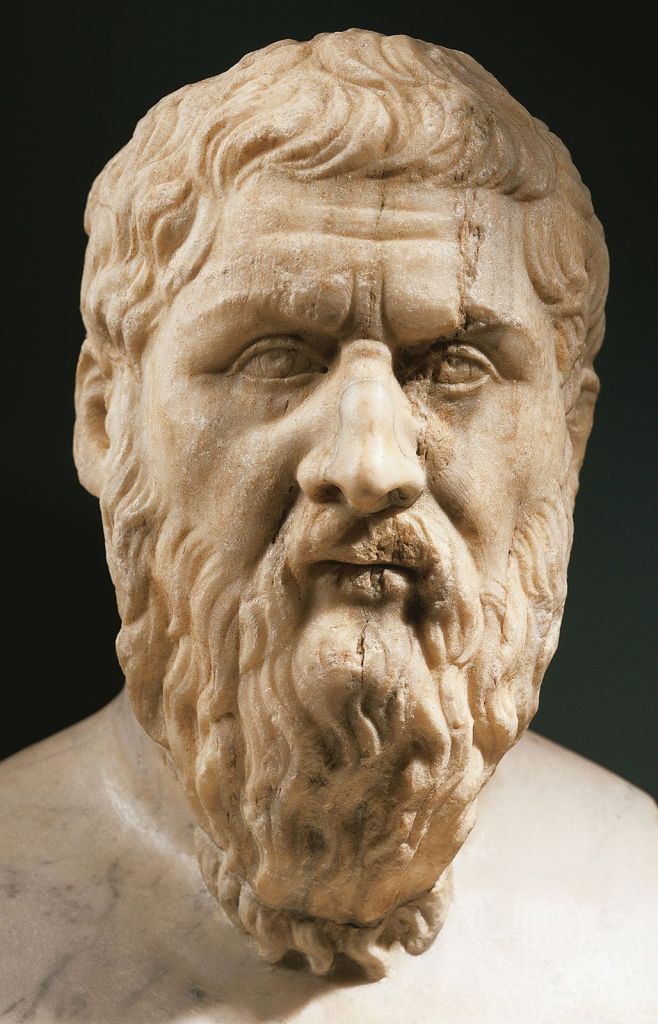
Two works get one entry here. Plato’s ethics focus on learning and wisdom as a means to a good life. The Republic is one of the earliest systematic efforts to understand and explain justice that survives to today. It is also particularly relevant as a source for many of the main ethical ideas in political philosophy and political science today. Gorgias is an argument for why it is worthwhile to be ethical that has ever been written. The book is framed as a discussion over whether it is more valuable to be persuasive or to be wise and pursue goodness, and it clearly explains some of the key reasons philosophers argue for a moral imperative to live well.
Key Terms: Socratic Tradition, Political Philosophy
Further Reading: Reeve – Philosopher-Kings, The Argument of Plato’s Republic (Hackett); Plato – Apology
Aristotle – Nichomachean Ethics
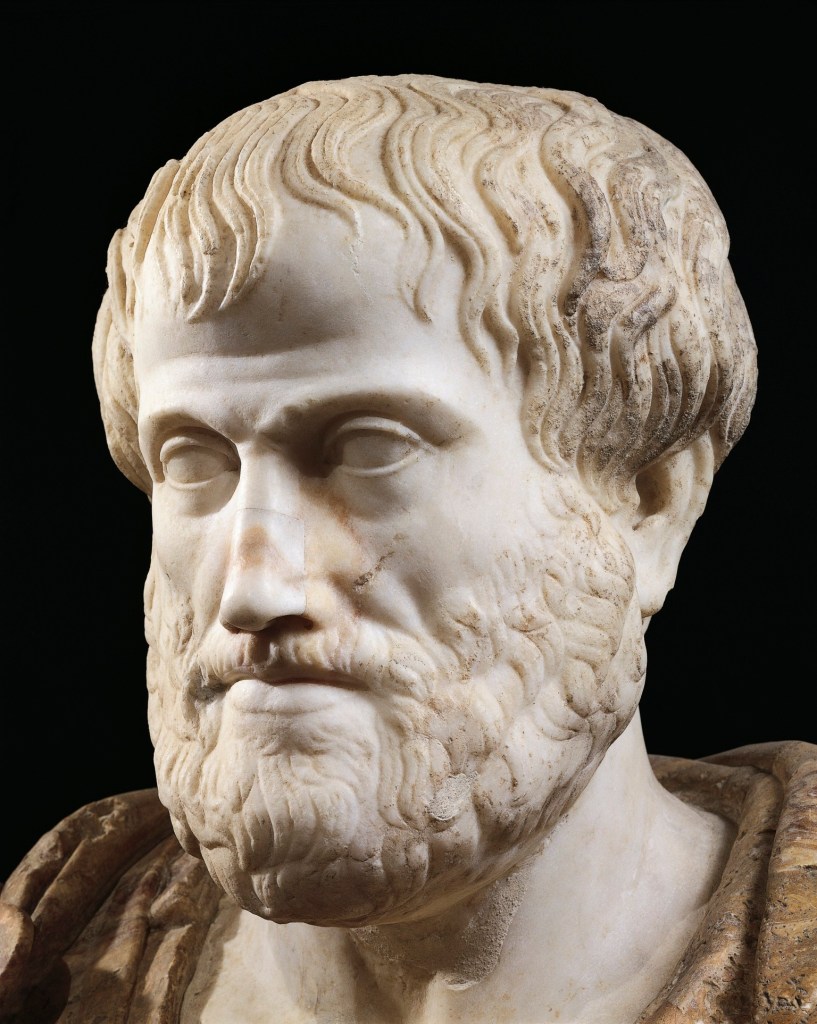
The Nichomachean Ethics features an account centered on how to develop one’s character and reach eudaemonia (happiness/moral fulfillment). Aristotle urges one to act in accord with a ‘golden mean,’ with virtuous conduct being a moderate mean between two extremes (for example, bravery is the mean between cowardice and foolhardiness). The book is one of the central accounts of virtue ethics and a clear treatment of the role of happiness in guiding moral conduct.
Key Terms: Socratic Tradition, Virtue Ethics, Eudaimonia, Golden Mean
Further Reading: Shields – Aristotle (Routledge); Aristotle – Eudemian Ethics
Epictetus – Discourses

Epictetus’ Discourses are a seminal text of Stoic philosophy and represent a later development of Socratic philosophy. Epictetus was a former slave and focused on giving grounded, practical advice for how to conduct oneself in the day-to-day. Of particular emphasis in the Discourses is how to react to situations outside of one’s control, and how to conduct oneself in society.
Key Terms: Stoicism, Socratic Tradition, Virtue Ethics, Eudaimonia
Further Reading: Pigliucci – How To Be A Stoic: Using Ancient Philosophy to Live a Modern Life (Basic); Epictetus – Enchiridion; Seneca – Letters From a Stoic
St. Thomas Aquinas – Summa Theologica

St. Thomas Aquinas’ Summa Theologica is a cornerstone of Catholic theology and ethical thought. Aquinas sought to integrate Aristotelian virtue ethics with Christian theology, and in so doing laid down the groundwork for a lot of contemporary thought. Of particular note is Aquinas’ denial of the divine-command theory of ethics in favor of a natural law account where ethical principles exist within the necessary structure of reality and are not decided arbitrarily by any divine source. Also notable is an early account of what constitutes a just war.
Key Terms: Catholicism, Virtue Ethics, Just War Theory, Faith
Further Reading: Davies – The Thought of Thomas Aquinas (Oxford)
Immanuel Kant – Lectures on Ethics
See also: Alejandro Naranjo Sandoval (Feb 6, Winter 2025)

Immanuel Kant’s Lectures On Ethics presents an uncompromisingly strict take on ethics centered around one’s moral obligations to themselves and others. Kant advocated for a strict deontological ethics as the key to moral goodness. While most of his works are known for being dense and difficult to read, the Lectures are not only easily understandable but also organized in short chapters that allow readers to jump from topic to topic easily. Whether or not one finds themselves agreeing with Kant, his arguments are always fully developed and often challenge a reader’s intuitions about a given topic.
Key Terms: Deontological Ethics, Political Philosophy
Further Reading: Caygill – A Kant Dictionary (Wiley-Blackwell); Kant – Groundwork for the Metaphysics of Morals
John Stuart Mill – Utilitarianism
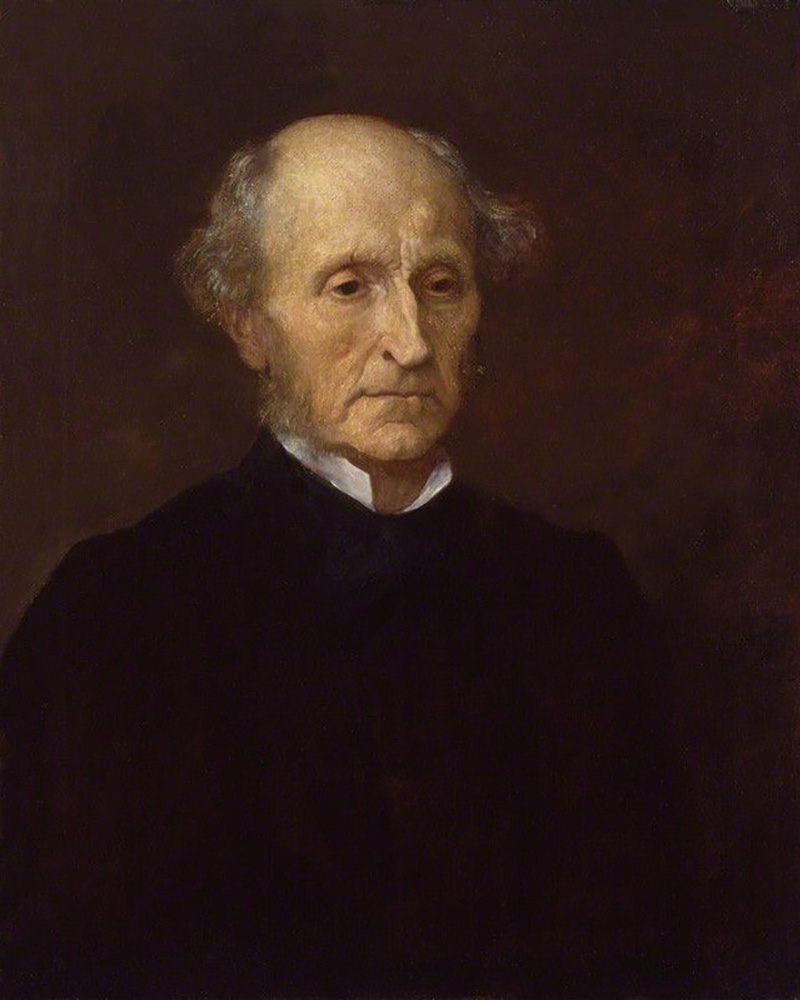
John Stuart Mill’s Utilitarianism is arguably the defining statement of Utilitarian (and, more broadly, consequentialist) ethics and continues to be highly influential today. Commonly heard ideas such as “the ends justify the means” can trace their origins to utilitarian thought. While Mill was not the first Utilitarian, his book on the subject serves as an excellent entrypoint into the overall worldview and is highly digestible and accessible. Notably, Mill is ahead of his time in calling for women’s rights, animal rights and a number of other social reforms.
Key Terms: Consequentialism, Utilitarianism, Political Philosophy
Further Reading: Macleod – John Stuart Mill: A Guide For The Perplexed (Bloomsbury); Mill – On Liberty
Friedrich Nietzsche – On The Genealogy of Morals
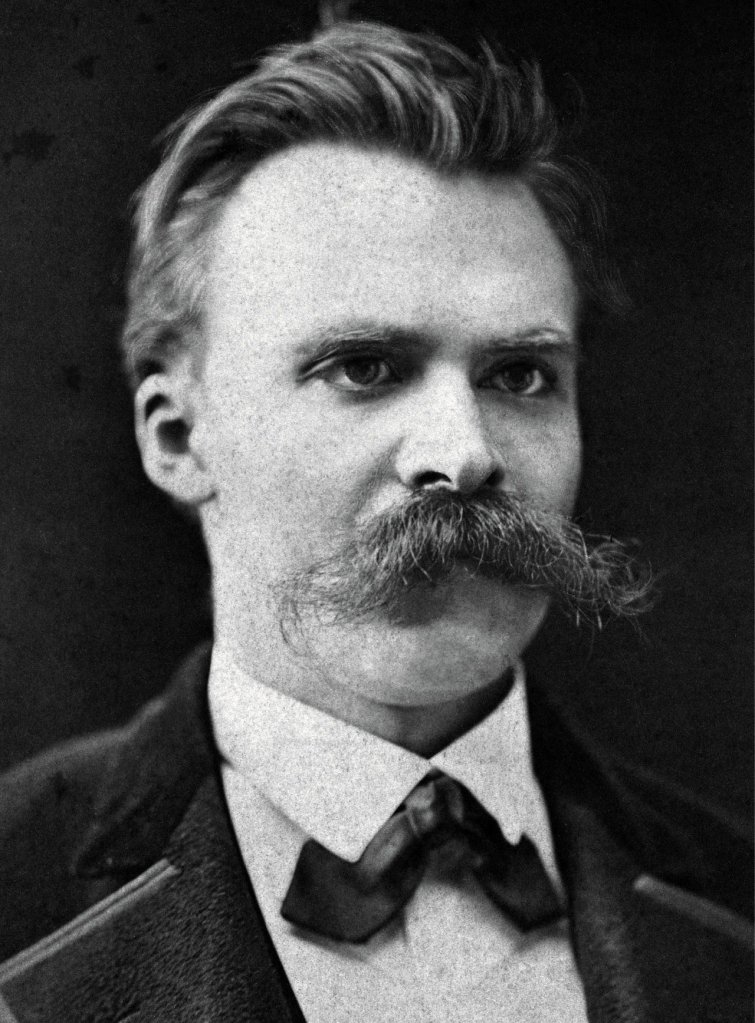
Nietzsche’s On The Genealogy of Morals is a reaction against the dominant worldviews of his time. Nietszche is sometimes hailed as a systematic destroyer of systems and that is reflected in his moral positions. Emphasizing strength and rejecting so-called ‘slave morality,’ Nietzsche’s work continues to be highly influential (though often misunderstood) today.
Key Terms: Individualism, Will to Power
Further Reading: Nehamas – The Art of Living (Berkeley); Danto – Nietzsche As Philosopher (Columbia); Nietzsche – The Gay Science
Karl Marx – Economic and Philosophical Manuscripts
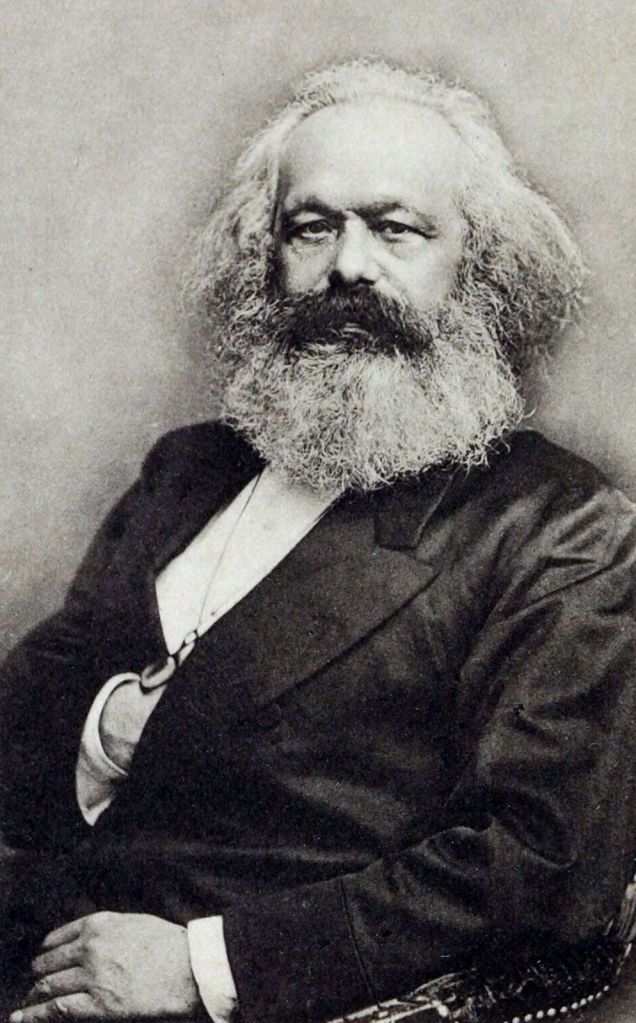
Marx’s Economic & Philosophical Manuscripts constitute an accessible and crucial source for his views on capitalism, alienation and social convention in general. Not as overtly revolutionary as The Communist Manifesto but more digestible than Capital, the Economic and Philosophical Manuscripts are notable for their humanistic views of the social conditions in industrial revolution Europe and for the clear explanation of socialist political values that Marx saw as the way forward for society.
Key Terms: Marxism, Political Philosophy, Dialectical Materialism, Socialism
Further Reading: Wolff – Why Read Marx Today? (Oxford); Marx – Capital
Peter Singer – Writings on Ethical Life

A modern Utilitarian, Peter Singer emphasizes practical, concrete consequentialist reasoning. Particularly notable for his work in bioethics and animal rights, Singer drew attention for views that focused on empathy and logical consistency over social convention and bias. Controversial and highly influential, Singer’s work is a great entrypoint into contemporary issues in ethics.
Key Terms: Consequentialism, Utilitarianism
Further Reading: Jamieson – Singer and His Critics (Wiley-Blackwell); Singer – Ethics in the Real World: 90 Essay on Things That Matter
NYT Ethicist Column

The New York Times Ethicist Column is written by NYU philosophy professor Kwame Anthony Appiah (author of the book Cosmopolitanism), and is an entertaining way to see practical applications of ethics not only in day-to-day life but also in making serious long-term choices. Topics vary and specific situations are submitted by readers, with Appiah then addressing the reader’s concerns from multiple ethical viewpoints.
Stanford Encyclopedia of Philosophy

This is a resource about philosophy in general, not just ethics, but it is deserving of its inclusion here because it has easily digestible, thorough and peer reviewed articles on just about every major issue and theory in ethics available for free online. For this reason, the SEP is an invaluable resource for any student for starting an ethical deep dive.
Link: plato.stanford.edu
Example article: https://plato.stanford.edu/entries/ethics-internet-research/
 Office Hour: Ethics for a Post-Ethical World